Why More Homeowners Are Choosing Garage Door Accessories in Parker

A garage door used to be a fairly simple part of the house. It opened, it closed, and as long as it did both without too much noise, most people left it alone. That has changed, especially in places like Parker, where homeowners tend to think carefully about both function and property value. The garage is no longer just a spot for parking. It is a workshop, a storage zone, a home gym, a secure entry point, and in many homes, the door people use most often.
That shift has changed what people expect from their garage door system. They want better lighting, quieter operation, stronger security, easier access, and hardware that holds up in Colorado conditions. They also want practical upgrades that improve daily life without requiring a full door replacement. That is where garage door accessories come in.
When people search for Garage Door Accessories Parker, they are usually not looking for novelty. They are looking for a fix, an upgrade, or a smarter setup. Sometimes the issue is obvious, like a dark garage in winter or a remote that only works half the time. Sometimes it is a quality-of-life decision, like adding a keypad for kids who get home before their parents or upgrading rollers to reduce rattling under a bedroom. Small changes like these can make a garage feel more secure, more reliable, and easier to live with.
The garage has become part of the home’s daily traffic pattern
One reason more homeowners in Parker are investing in accessories is simple: the garage is often the main entrance. In many neighborhoods, people drive in, step through the garage, and enter the house through an interior door. Over time, that makes the garage door system just as important as the front door lock.
Once a garage becomes a Garage Door Accessories Parker primary access point, convenience matters more. Homeowners start noticing little frustrations. They get tired of fumbling for a remote in the dark. They notice how loud the opener sounds at 6:15 in the morning. They realize their children or dog walker need a safer way in than hiding a key under a mat. What looked like a bare-bones utility system suddenly feels outdated.
A keypad is a good example. It is a relatively small accessory, but it solves several real problems at once. Families can assign a code instead of passing around remotes. A temporary code can be given to a contractor or house sitter and changed later. If someone gets locked out, they are not stuck waiting in the driveway. In practice, accessories like this tend to earn their keep quickly because they remove friction from ordinary routines.
Parker homeowners are practical, and accessories appeal to that mindset
In my experience, homeowners rarely wake up wanting “garage accessories” in the abstract. They want a garage that works better. Parker residents, in particular, tend to be fairly practical when it comes to home improvements. They appreciate aesthetics, but they usually want a clear return, whether that return is convenience, safety, quieter operation, or reduced wear on the system.
That practical mindset is a big reason accessories are gaining ground. Replacing an entire garage door is a major project. Adding a smart controller, upgraded weather seal, motion-sensor light, battery backup, or reinforced hardware is far more manageable. It gives homeowners a way to improve performance in stages.
This matters because many garages in Parker are already structurally fine. The panels may still look good. The tracks may be in serviceable condition. The opener may have years left. But the system feels behind the times. Accessories let people modernize what they already own instead of starting over.
That approach also appeals to newer homeowners who just moved in. After closing on a home, many people are not eager to take on a full replacement unless they have to. A few targeted upgrades can make the garage feel safer and more current without turning into a major expense during an already costly season.
Security has become a bigger factor than many people expected
Garage security used to be treated as secondary. People focused on the front door, alarm system, and outdoor cameras, while the garage door opener was left in the background. That is not the case anymore. Homeowners are more aware that the garage can be a vulnerable entry point, especially if remotes are old, lighting is poor, or access controls are inconsistent.
Accessories play a direct role here. Modern smart openers and add-on controllers can alert homeowners when the door opens, closes, or is left open too long. Exterior keypads eliminate the need to hide a spare key. Better lighting near the garage reduces blind spots and makes evening arrivals feel safer. Interior slide locks and opener shields can add another layer of deterrence for people who want more control.
Not every household needs the same level of security, and that is where judgment matters. A family that travels frequently may put more value on remote monitoring and phone alerts. Someone who stores expensive tools in the garage might prioritize reinforced side locks or camera integration. A homeowner with teenagers might simply want a clear digital record of who opened the door and when.
The point is not that every accessory is essential. The point is that people now see the garage as part of the home security picture, not an afterthought.
Colorado weather makes accessories more useful than they might be elsewhere
Climate has a lot to do with this trend. Parker gets temperature swings, snow, wind, sun exposure, and the kind of seasonal variation that tests exterior systems. A garage door setup that feels adequate in mild weather can show weaknesses fast during a cold snap or a windy stretch.
Weather sealing is one of the most overlooked examples. Homeowners often focus on the door itself and miss the perimeter seals, bottom rubber, and threshold details that affect comfort and cleanliness. If cold air is pouring in, dust is blowing under the bottom seal, or melting snow is creeping into the garage, accessories become more than a convenience. They become part of basic maintenance.
Insulation-related accessories and better bottom seals can also matter if the garage shares walls with living space. Even when the garage is not fully conditioned, reducing drafts and outside debris can improve the feel of adjacent rooms. In homes where the garage sits below a bedroom or next to a mudroom, these small upgrades can have a noticeable effect.
Battery backup is another practical example. Power outages may not happen every week, but when they do, people quickly appreciate the ability to open and close the garage without wrestling with a manual release in bad weather or low light. For homeowners who rely on the garage as their main entrance, that backup can feel less like a luxury and more like basic resilience.
Noise reduction is a bigger selling point than most people realize
One of the most common reasons homeowners begin exploring accessories is noise. They may not say it that way at first. Instead, they say the garage “sounds rough” or “shakes the house” or “wakes everyone up.” Often the core issue is not the door itself. It is the supporting hardware and components that have aged, loosened, or were never upgraded in the first place.
Nylon rollers, vibration isolators, upgraded hinges, quieter belt-drive compatibility parts, and proper lubrication systems can dramatically change how a garage door sounds and feels. In homes with bedrooms above the garage, the difference is immediate. A system that used to clatter and hum can become noticeably smoother.
This is one area where expectations should stay realistic. Accessories will not magically silence a badly worn or misaligned system. If tracks are bent, springs are failing, or the opener is undersized, the real fix may involve repair work. But when the door is fundamentally sound, the right accessories can take the edge off daily noise in a way homeowners appreciate every morning and night.
I have seen households tolerate garage noise for years because they assume the only alternative is replacing everything. Then they upgrade a few components and realize the disturbance was never something they had to live with.
Smart controls are no longer just for tech enthusiasts
There was a time when connected garage features appealed mostly to homeowners who liked gadgets for their own sake. That is not who is driving demand now. Smart garage accessories have gone mainstream because they solve ordinary problems.
A homeowner leaves for work and cannot remember if the garage door closed. A parent wants to let a delivery into the garage instead of leaving a package on the porch. Someone heads out of town and wants an alert if the door opens unexpectedly. These are not niche use cases. They happen all the time.
The adoption curve has also improved because setup is easier than it used to be. Many newer smart controllers integrate with existing openers, so people do not always need to replace the entire motor unit. That lowers the threshold for trying the technology. Once installed, the benefit tends to be immediate. People get used to checking door status from their phone the same way they check a thermostat or doorbell camera.
That said, compatibility still matters. Older opener systems are not all equally friendly to newer accessories. Some pair easily. Some need adapters. Some are old enough that putting money into add-ons makes less sense than replacing the opener with a current model. A good installer will say so instead of forcing an accessory onto a platform that is already at the end of its life.
Curb appeal still matters, even when buyers are thinking function first
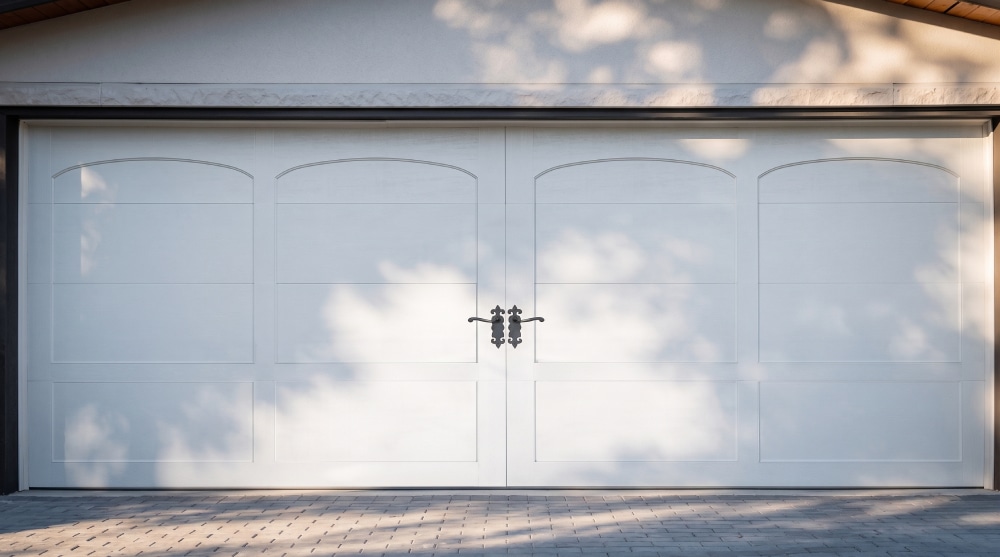
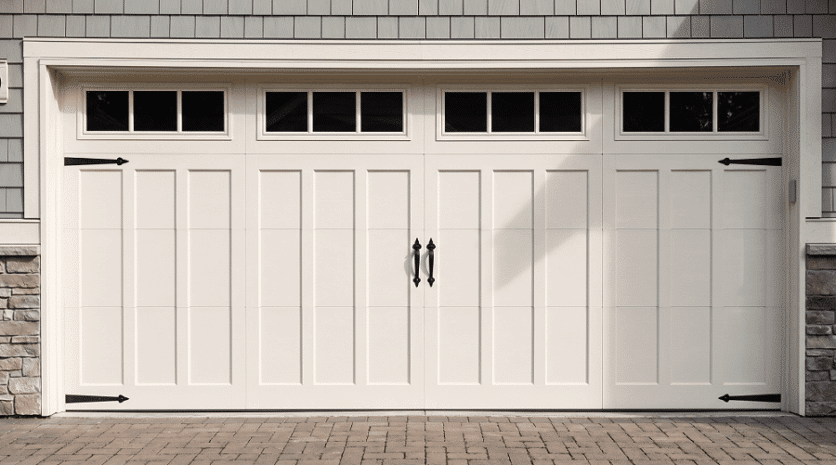
Not every accessory is about mechanics or electronics. Decorative hardware, upgraded lighting, trim details, and coordinated finishes all play a part in how the garage contributes to the front of the home. In many houses, the garage door takes up a large share of the visible exterior. Even modest accessory upgrades can sharpen the look.
This is especially relevant in neighborhoods where homes are well maintained and exterior appearance affects perceived value. A plain, builder-grade garage can look more intentional with the right handles, hinges, and lighting. Done well, these additions improve character without tipping into something overdone or fake.
The challenge is restraint. Decorative accessories should fit the architecture of the house. Carriage-style hardware can look great on some homes and awkward on others. Oversized faux elements can read as costume rather than design. The best results usually come from choosing a few details that complement the door and elevation rather than trying to transform the entire façade with surface-level extras.
For homeowners preparing to sell, these updates are often attractive because they are visible and affordable compared with larger exterior projects. For homeowners planning to stay, they simply make the house feel more finished.
The upgrades people ask for most often
Certain accessories come up again and again because they solve common problems without much disruption. The details vary from house to house, but a few categories consistently stand out:
- exterior keypads for code-based access
- smart controllers with mobile alerts and remote operation
- improved weather seals and bottom seals
- battery backup units for opener reliability during outages
- quieter rollers or related noise-reduction hardware
What makes these popular is not trendiness. It is repeat usefulness. Homeowners notice the benefits right away, and in most cases they do not need to relearn how they use the garage. The door still opens and closes. It just does so with less hassle, less noise, or better security.
Accessories can extend the life of the full system
Another reason interest is growing is that some accessories do more than add convenience. They reduce strain and help preserve the equipment homeowners already have. Better rollers can lower friction. Reinforcement brackets can support stressed connection points. Proper sealing can reduce moisture intrusion and debris buildup. These are not glamorous upgrades, but they matter.
Think of it the way people think about tires or brakes on a vehicle. The point is not flash. The point is smoother operation and less avoidable wear. When a garage door runs more cleanly, the opener works less hard, the movement stays more stable, and small problems are less likely to snowball.
This is particularly important in homes where the garage gets heavy use. A two-car household with overlapping schedules may cycle the door far more often than the owner realizes. Add school drop-offs, gym trips, grocery runs, weekend errands, and delivery access, and that system sees real wear. In those households, accessories that support smoother operation are often money well spent.
Not every upgrade is worth it, and homeowners are getting better at spotting the difference
One positive change in the market is that homeowners are asking sharper questions. They are less likely to buy an accessory just because it sounds advanced. They want to know what practical problem it solves, how long it tends to last, whether it integrates with what they already have, and whether professional installation is recommended.
Those are the right questions.
Some upgrades deliver clear value. Others are situational. A battery backup can be excellent in a household that depends heavily on the garage as its main entry. In a detached garage used mostly for storage, it may matter less. Decorative hardware can improve curb appeal, but if the door panels are faded or damaged, the money may be better spent elsewhere first. Smart controls are convenient, but only if the homeowner will actually use the app and maintain the connection.
The best accessory choices are the ones tied to a real pain point. That might be security anxiety, winter drafts, loud operation, weak lighting, or family access issues. When homeowners start from the problem instead of the product, they usually end up happier with the result.
A good installer often shapes the outcome more than the accessory itself
This part gets overlooked. Even high-quality accessories can disappoint when they are poorly matched or badly installed. A keypad mounted in the wrong spot becomes annoying. A smart controller set up without proper testing creates false confidence. Weather sealing that is misaligned or uneven will not do its job for long.
That is one reason local experience matters. Someone familiar with garage door conditions in Parker is more likely to recognize what tends to hold up, what compatibility issues come up often, and when an accessory is a smart addition versus a temporary patch. They can also spot the cases where the real issue is not missing accessories but underlying wear in the springs, tracks, opener rail, or door balance.
Homeowners do not necessarily need the most expensive setup. They need the right one. A thoughtful recommendation often beats an oversized package full of features they will never use.
When accessories make more sense than replacement
There is a middle ground that many homeowners appreciate. Their garage door is not new, but it is not failing either. The finish may still look respectable. The structure may be sound. The opener may still run reliably. Yet the system feels dated in day-to-day use.
That is exactly where accessories have become so appealing.
They let homeowners bridge the gap between “leave it alone” and “replace everything.” A family can add a keypad this season, improve weather seals before winter, and upgrade the opener controls next year. The investment can be phased and prioritized. That flexibility matters in the real world, where home budgets compete with roofing, HVAC, appliances, and everything else that comes with ownership.
For many households, that staged approach is smarter than pushing prematurely into full replacement. Of course, when the door is structurally compromised or the opener is near failure, patchwork has limits. But a lot of garages are not in that category. They are simply due for selective modernization.
What homeowners should think through before buying
A little planning usually leads to better results. Before choosing Garage Door Accessories Parker homeowners should pause and consider a few practical factors:
- how the garage is actually used each day
- whether the current opener and door are compatible with the accessory
- if the goal is convenience, security, quieter operation, weather resistance, or appearance
- whether installation affects safety-critical components
- how the upgrade fits with likely future repairs or replacement plans
These questions help narrow the field. They also prevent the common mistake of solving the wrong problem. For example, a homeowner bothered by poor winter comfort may think first about insulation panels, when the bigger issue is a worn bottom seal and side gaps. Someone frustrated by a noisy system may shop for a new opener app, when the real culprit is old steel rollers and loose hardware.
The smartest purchases tend to come from clear diagnosis, not impulse.
Why this trend is likely to continue in Parker
The reasons are not mysterious. Homeowners want useful upgrades. They want better control over a part of the house they use constantly. They want to improve security without overcomplicating life. They want to spend strategically. And they increasingly understand that the garage door system is not one single product, but a collection of moving parts and access points that can be improved piece by piece.
Parker is well suited to that mindset. The housing stock includes many homes where the garage plays a major daily role. Families are busy. Weather puts systems to the test. Property upkeep matters. In that environment, accessories are not frivolous add-ons. They are practical tools for making an essential part of the home work better.
That is why more people are looking into them, and why the interest is not fading. Once homeowners see how a keypad simplifies access, how a smart controller removes uncertainty, how better seals improve comfort, or how upgraded rollers cut the noise, the value becomes hard to ignore. Small changes in the garage have a way of showing up every single day, and that is usually the strongest reason any home upgrade catches on.
Select Garage Doors
11479 Pine Dr
Parker, CO 80134, United States
Phone: (303) 228-0018
FAQ About Garage Door Accessories Parker
Where can I find garage door accessories?
Garage door accessories are available from garage door service companies, authorized dealers, home improvement stores, and specialist suppliers. Select Garage Doors supplies and installs accessories for homeowners in Parker, including compatible remotes, wireless keypads, weather seals, and smart controls. Check your opener model and door specifications before choosing a replacement or upgrade.
How to make a garage door more attractive?
Cleaning the door, refreshing a manufacturer-approved finish, and choosing coordinated decorative handles or hinge accents can improve its appearance. Compatible window inserts may also change the look of an existing window section. Match accessories to the door material and style, and make sure added hardware does not interfere with movement, seals, or safety equipment.
Where can I buy garage door inserts?
Decorative window inserts can be sourced through the door manufacturer, an authorized garage door dealer, or a supplier that carries parts for your specific door series. Match the model, window frame dimensions, and attachment system; inserts are not universally interchangeable. Ask a professional to confirm compatibility before ordering, especially if the work involves glass or changes to a door section.